



Retinyl palmitate is the the ester of retinol (vitamin A) combined with palmitic acid, a saturated fatty acid and a major component of palm oil. It is not considered to be the same ingredient as retinol, although it is converted to retinol, and then to the active component of retinoic acid once it is absorbed by the skin after being topically applied. It belongs to the family of chemical compounds known as retinoids and is one of the most important vitamins for the appearance of the skin because of its small molecular structures. These tiny molecules have the ability to penetrate the outer layers of the skin and work to repair the lower layers where collagen and elastin reside (source).

Retinyl Palmitate
* The ester of retinol (Vitamin A) * Please read Truth In Aging's post on Retinyl Palmitate, Not to be confused with Retinol* The ester of retinol (Vitamin A)
* Please read Truth In Aging's post on Retinyl Palmitate, Not to be confused with Retinol
Functions:
Retinyl palmitate is the the ester of retinol (vitamin A) combined with palmitic acid, a saturated fatty acid and a major component of palm oil. It is not considered to be the same ingredient as retinol, although it is converted to retinol, and then to the active component of retinoic acid once it is absorbed by the skin after being topically applied. It belongs to the family of chemical compounds known as retinoids and is one of the most important vitamins for the appearance of the skin because of its small molecular structures. These tiny molecules have the ability to penetrate the outer layers of the skin and work to repair the lower layers where collagen and elastin reside (source).
Retinyl palmitate is considered a less irritating form of retinol, and a gentler ingredient on sensitive skin. However, the reason retinyl palmitate may cause less irritation is because of the lengthier process that must take place for it to be converted into retinoic acid (otherwise known as tretinoin), the active compound that creates the cell regeneration and exfoliation action within the skin. Retinyl palmitate converts into retinol (or vitamin A), which in turn is converted into retinoic acid by specialized enzymes in the skin. Retinoic acid facilitates communication between cells, encouraging aging cells to continue their renewal process, and regenerate collagen and elastin to prevent the appearance of aging skin, wrinkles, and fine lines. It is also effective at producing new, healthy skin cells to replace skin previously damaged by acne (source). However, retinol cannot communicate with a cell until it has been broken down into retinoic acid (source). Once this breakdown has occurred, communication begins and the cells' turnover rate increases, thus speeding up the production of collagen.
Retinyl palmitate is considered an exfoliator (albeit more gentle than pure retinol), and its effect of repeatedly shedding the upper dermal layer forces the skin to produce new cells. There is some concern that at the Hayflick Limit (the number of times skin can regenerate itself before reaching its limit), the aging process will actually accelerate because cells are unable to multiply indefinitely.
Safety Measures/Side Effects:
Retinyl palmitate is a controversial ingredient because of its potentially hazardous side effects. Although it has many proven benefits, the Cosmetics Database rates it as a moderate hazard ingredient. It warns of potential side effects including cancer, developmental and reproductive toxicity, violations, restrictions and warnings, cellular level changes, and organ system toxicity. Retinyl palmitate has been shown to produces excess reactive oxygen species that can interfere with cellular signaling, cause mutations, lead to cell death, and it may be implicated in cardiovascular disease. It has caused reproductive effects at low doses in one or more animal studies, and there is limited evidence of cancer and skin toxicity, although it has been shown to be easily absorbed into the skin.
Retinyl palmitate is considered a gentle ingredient, and very few warnings of irritation exist. However, because it converts to retinol in the skin, it is important to note that retinol, (along with tretinoin) can cause severe skin reactions, including peeling, redness, scaling, itching, and burning (source). Formulas containing this ingredient, prescribed or OTC, are expected to cause some irritation upon use, although the irritation should decrease after approximately two weeks of continued application. It is also known to cause thinning of the skin, and therefore should not be used in conjunction with hair waxing. Because retinol greatly increases the risk of extreme sunburn, care should be taken (shade, sunscreen, etc.) to protect treated skin from overexposure to ultraviolet light.
Since 2009, the FDA has been reviewing data from several studies on a potential link between retinyl palmitate and cancer risks. The National Toxicology Program released a report in January 2011 based on a study with mice, concluding that retinyl palmitate and retinoic acid become carcinogenic in sunlight (source). Subsequently, the EWG issued a statement recommending that manufacturers remove Retinyl Palmitate from all products used on sun-exposed skin. According to FDA scientists, retinyl palmitate breaks down in sunlight to photomutagenic compounds, forming free radicals in the presence of UVA and UVB radiation. However, the FDA's final assessment has not yet been made public.
Products with Retinyl Palmitate:
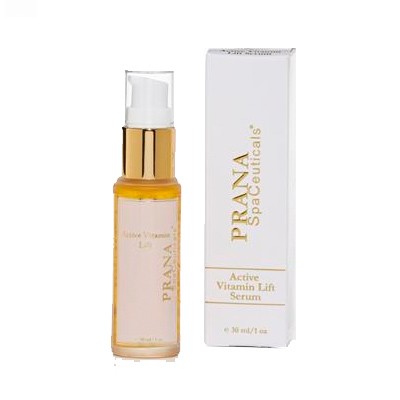
Eslor Brightening Activator Serum ($110), Prana Active Vitamin Lift Serum ($75), Sevani Advanced Omega Night Repair Serum ($75)
As much as possible, products in the Truth In Aging shop are chosen for their safety profile as well as effectiveness.
Related Articles:
Ingredient Spotlight: Retinyl Palmitate
Retinyl Palmitate sunscreen and skin safety
New study links Retinyl Palmitate to cancer
Dermatologists claim Retinyl Palmitate sunscreens do not cause cancer
Retinol alternatives for recovering skin
Five Best OTC anti-wrinkle Retinol creams

Products with Retinyl Palmitate

Related Articles









 Loading...