You have no items in your shopping cart.
Problems Adding to Cart? Click here for assistance.

The honest truth about beauty & personal care products


There are short-term anti-wrinkle systems and long-term ones. Amongst the short-term are superficial treatments such as Acetyl Hexapeptide-3 (or Argireline, which is the trademarked name for AH-3). Creams such as 24:7 Freeze, Athena 7 Minute Lift or Avetone are based on these. They are supposed to work on the muscles that cause wrinkle formation. It is the same principle as Botox, but much, much milder and lasts no more than an hour or so after application.
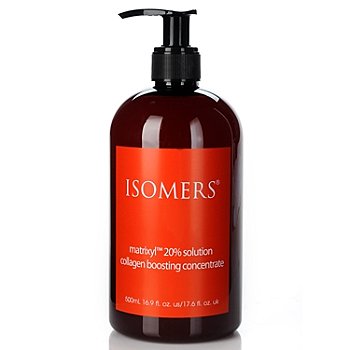
Long-term systems attempt to boost collagen production or repair DNA. These are obviously preferable so I am always on the look out for products that contain Matrixyl.
So what is Matrixyl? Basically, its a peptide. Creams these days frequently boast about being packed full of peptides, but are not specific as to which peptide is being referred to. Matrixyl is palmitoyl-pentapeptide 3 and this is a peptide that specifically stimulates collagen synthesis and skin repair. This means it qualifies as a long-term aging system.
However, there is something that might be even better than Matrixyl: Matrixyl 3000.
Update: In early 2013 University of Reading researchers found that Matrixyl can nearly double the amount of the protein collagen needed to give skin its elasticity. The team is led by Professor Hamley, who is something of a peptide-file and has been looking at ways to stimulate collagen for wound healing. Read more.
See also:
Five Best Serums and Creams with Matrixyl
Five Best with Copper Peptides
See all our FIVE BEST recommendations
Check out all our products featuring Matrixyl & Matrixyl 3000






©2015 truthinaging.com



Truth in Aging reviews anti-aging serums, moisturizers, eye creams and more. To find the best natural skincare, we test products for 30 days and share our experiences in objective reviews. Only products recommended by our community are sold in the Truth In Aging shop.

 Loading...


August 27, 2015
by Shelley
was wondering if there are any side effects from this product? thanks
April 5, 2015
by Marta
Hi Sandy, I'm not aware of a really good one with peptides, but you could look at Stemulation's Relance. It has growth factors to help boost skin cell production: https://www.truthinaging.com/stemulation-relance-body-lotion
April 4, 2015
by Sandy
Is there any peptide product that can influence thin skin on arms.?
December 7, 2012
by PURITY
I would like to know the remedies of making matryxl cream. can I make it at home which vegetables or fruits do I use. It is a Wonderful cream
September 21, 2011
by Smashbox Photo Finish SPF15 with Dermaxyl | A Girl's Gotta Spa! (sm) Top beauty blog, spa, hair care, makeup, beauty trends, skin care
[...] guess is that Smashbox’s Dermaxyl is one of the collagen-boosting peptides that is known as Matrixyl 3000, palmitoyl oligopeptide, and antioxidant green tea and grape seed extracts. Plus there’s [...]