You have no items in your shopping cart.
Problems Adding to Cart? Click here for assistance.

The honest truth about beauty & personal care products


* An active chemical sunscreen ingredient
* Also known as Benzophenone-3
Functions:
Oxybenzone primarily functions as a photostabilizer and sunscreen. Among the vast selection of sunscreen active ingredients, Oxybenzone is classified as a "chemical" sunscreen agent. Inadequate when used alone, Oxybenzone absorbs UVB and short UVA rays but is a relatively weak chemical UV absorber. It also helps preserve the integrity of other cosmetic ingredients, preventing their deterioration under the sun. For this reason, Oxybenzone is most often used in conjunction with other sunscreen agents. Besides sunscreen, it can be found in a variety of personal care products such as nail polish, lotions, and lipstick.
Safety Measures/Side Effects:
According to the Environmental Working Group, there are several suspected dangers associated with Oxybenzone. Despite its sun protective abilities, it has been shown to penetrate the skin and cause photo-sensitivity. As a photocarcinogen, it has demonstrated an increase in the production of harmful free radicals and an ability to attack DNA cells; for this reason, it is believed to be a contributing factor in the recent rise of Melanoma cases with sunscreen users. Some studies have shown it to behave similarly to the hormone estrogen, suggesting that it may cause breast cancer. It has also been linked to contact eczema and allergies.
In addition, there exist many concerns regarding the human body’s percutaneous absorption of Oxybenzone. In one study, individuals applied a sunscreen with 4% Oxybenzone and submitted urine samples 5 days after topical application. All the subjects’ urine secretions were found to contain Oxybenzone, suggesting the body’s ability to store the substance (Source). In 2008, the US Centers for Disease Control & Prevention conducted a similar experiment on a national scale, and found the chemical compound to be present in 96.8% of the human urine samples surveyed (Source). As a result, it is recommended that parents keep their small children from using products containing the ingredient. This is based on the assertion that children under the age of 2 have not fully developed the enzymes that are required to break down derivatives of Oxybenzone.
Though a fair amount of scientific evidence points to the adverse effects of Oxybenzone, additional tests are required before making any definite conclusions. It must be noted that this ingredient still possesses less severe risks than those associated with PABA. Furthermore, many dermatologists insist that, because dermal absorption of Oxybenzone appears to be low and still exists as one of the few substances to effectively protect against UV rays, this ingredient should not be ruled out entirely.
The FDA has approved the use of Oxybenzone as a safe and effective OTC sunscreen ingredient, but only in concentrations up to 6%. The EU Cosmetics Directive has also assessed the sunscreen ingredient as safe at up to concentrations of 10%, and requires products that contain more than .5% of the ingredient to be labeled "contains Oxybenzone." Sweden has banned the use of this ingredient.
Sunscreen Products without Benzophenone-3:
Suntegrity Natural Moisturizing Face Sunscreen and Primer SPF 30 ($45 in the TIA shop); MD Solar Sciences Daily Anti-Aging Moisturizer ($68 in the shop); Prana Reishi Mushroom Shield ($45 in the shop); Suntegrity All Natural Moisturizing Body Protection SPF 30 ($24 in the shop); MD Solar Sciences Mineral Creme SPF 50 ($30 in the shop); Suntegrity 5-in-1 Natural Moisturizing Face Sunscreen ($45 in the shop); Prana Natural Defense SPF 25 ($39 in the shop); Skinfinite Platinum 30spf ($32.50 in the shop); Snowberry Every Day SPF15 ($36)
See more safe sunscreens
Recommended Products w/ Benzophenone-3:
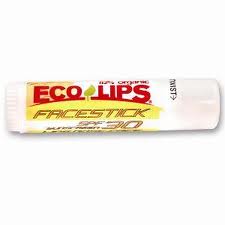
Peter Thomas Roth Continuous Sunscreen Mist SPF 30, SolBar Sunscreen, Eco Lips Facestick SPF 30, TiSilc Sunblock, MD Skincare Sunscreen Pads, Blue Lagoon Iceland Anti-Aging Day Cream, Sarah Chapman Dynamic Defense SPF 15
See Truth In Aging's Five Best sunscreens, and See all our FIVE BEST recommendations including Five Best for sagging skin, Five Best with vitamin C and Five Best eye creams




©2015 truthinaging.com



Truth in Aging reviews anti-aging serums, moisturizers, eye creams and more. To find the best natural skincare, we test products for 30 days and share our experiences in objective reviews. Only products recommended by our community are sold in the Truth In Aging shop.

 Loading...